Kitchen cabinets to the ceiling: Maximum storage without compromising style
Short on space but big on ambition? Running keukenkasten all the way to the ceiling is one of the easiest ways to win back volume, calm visual noise, and make the room feel tailored rather than pieced together. When the top line meets the architecture instead of stopping short, you gain a dust free zone, a stronger silhouette, and a kitchen that looks custom even if the plan is compact. Here’s how to do it beautifully, from proportions and profiles to lighting and installation details that make the difference.
Why “to the ceiling” instantly looks custom
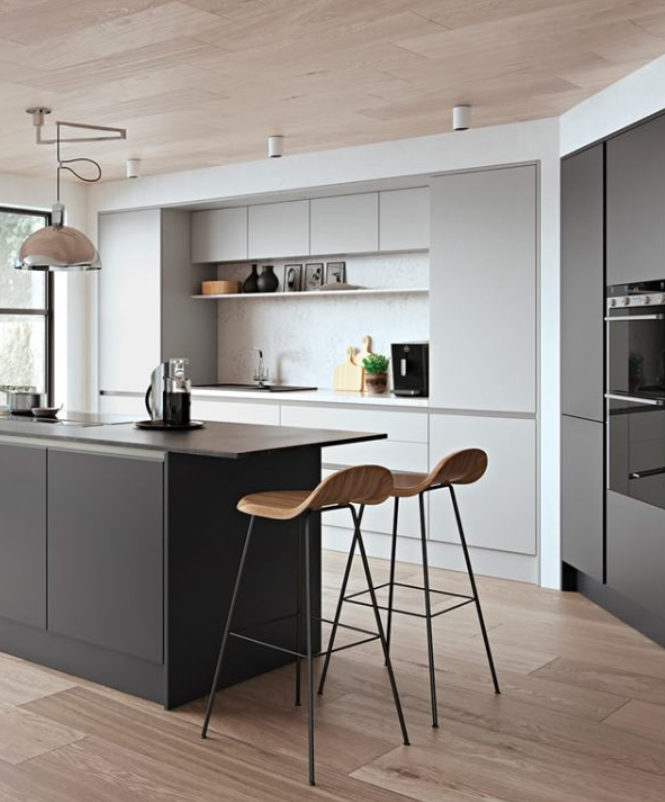
Standard uppers that stop 30-40 cm short can leave a shadowy void that collects grease and odds and ends. Full height kitchen cabinets convert that dead zone into honest storage seasonal platters, spare appliances, or pantry overflow and the elevation reads as one calm plane. In small rooms, the effect is even bigger: continuous verticals make the walls feel taller, while fewer horizontal breaks reduce visual chatter. In open plan homes, the cleaner top line helps the kitchen hold its own beside living and dining zones without shouting for attention.
Proportion is everything
Full height doesn’t mean heavy. The trick is balancing door sizes so the stack feels elegant. Many designers split the elevation into a “working” upper and a slim top tier. The lower doors carry daily items behind straightforward hardware; the top row gets touch latch or discreet pulls so it recedes. Done well, kitchen cabinets look lighter even as they grow taller, because the eye reads pleasing rhythm rather than a wall of doors.
Shadowline, crown, or scribe?
There are three honest ways to meet the ceiling, and each can look high end when it’s done with intent.
- Shadowline: a deliberate 10-20 mm recess above the run casts a fine, modern shadow. It hides tiny ceiling waves and lets the doors open cleanly.
- Crown or fascia: traditional rooms benefit from a shallow fascia or crown that bridges small gaps and adds a finished edge. Keep it lean; the goal is crisp, not fussy.
- Full scribe: with millimetre true measuring, side panels and fascias are templated to the ceiling so the kitchen cabinets look built in like architecture. Choose one approach, not all three. Consistency is what makes a tall elevation feel composed.
Access without acrobatics
Yes, you can reach that top tier because you won’t use it daily. Treat the uppermost doors as long term storage and plan a slim step stool that tucks into a tall base or broom cabinet. Inside, fit full extension shelves or lift up fronts so items come out to you. When the working zone (shoulder to eye height) holds everyday plates and glasses, kitchen cabinets remain ergonomic and the extra volume becomes bonus space, not a burden.
Light the verticals, not just the worktop
Undercabinet strips are a given, but tall runs deserve their own light strategy. A low glare LED within the top tier turns a search into a glance. Slim vertical strips inside tall pantries make everything visible from toe to crown. Warm colour temperatures (2700-3000K) keep food looking appetising and paint colours honest. Good light is the cheapest “luxury” upgrade for full height kitchen cabinets because it makes every centimetre useful.

Ventilation, services, and the “don’t forgets”
Tall uppers change how extraction and services route. If you use a wall hood, integrate a finished duct chase so the fascia line stays unbroken. Downdraft or ceiling hoods free the wall completely; just confirm the path for ducting before you lock the layout. Leave a service void above appliance housings and tall fridges so heat can escape discreetly. These quiet decisions stop beautiful kitchen cabinets from fighting real world physics.
Materials that look good and live well
Sustainability begins with longevity. FSC-certified plywood carcasses hold screws and resist moisture; high pressure laminates shrug off fingerprints and splashes; real wood veneer brings warmth without the movement headaches of solid timber. Painted doors in water borne lacquer feel calm under LEDs and can be refinished years later. If sunlight hits the elevation, ask for UV-stable finishes so the top tier of kitchen cabinets ages at the same pace as the rest.
See also: Best Home Renovation Ideas for Apartments in Pallikaranai
Colour and texture: Use height to calm the room
Going to the ceiling doesn’t mean going dramatic. In compact kitchens, tone on tone fronts (soft oat on warm white, clay on limestone) make the tall run read as part of the wall. Want character? Introduce texture, not noise: fluted panels on the top tier, a ribbed glass accent for a coffee garage, or a timber fascia that frames a bank of pale doors. With a single idea repeated carefully, kitchen cabinets gain depth without visual clutter.
Small kitchens, big payoff
In tight plans, door swing can be a puzzle. Consider lift up fronts for the top tier to keep aisles clear; they hold open while you reach and close with a touch. Narrow pull outs beside the range swallow oils and spices in a slice of space. Swap low fixed shelves for deep drawers with genuine load rated runners so pots and bowls come to you. Every time a heavy item glides out, kitchen cabinets earn their keep.
The installation that makes it look easy
Rooms are rarely square. Tall work exposes every wobble in walls and ceilings, so survey precisely and allow for scribes and packers. Fix runs to structure, level the plinth, and shim uprights so reveals stay even. Over long spans, add intermediate uprights to prevent shelf sag. The reason full height kitchen cabinets look “expensive” is often simple: the last 5 mm were cared about as much as the first drawing.
Appliances and towers that feel integrated
Banking oven, microwave, and warming drawer in a tall column keeps the working counter calm. A pocket door coffee station hides behind two slim doors that slide and tuck back, revealing power, cups, and bins only when needed. Integrate the fridge and freezer with panel fronts so the tall rhythm isn’t broken by stainless patches. With thoughtful groupings, kitchen cabinets become the backdrop that lets appliances behave like part of the plan.
Sustainability that isn’t just a sticker
Choose low VOC finishes, recycled content boards where appropriate, and repairable components (hinges, runners, pulls). Long lived kitchen cabinets are the greenest ones because they avoid early replacement. Ask suppliers to document sources and emissions; responsible choices can still be beautiful.
Why work with Wehebbenallesinhuis
You want storage that behaves and a room that breathes. At Wehebbenallesinhuis, we start with how you cook, then draw to the millimetre so full height details fascias, scribes, lighting, and ventilation are solved on paper before anyone lifts a tool. We bring finish samples into your light, specify hardware that matches real loads, and install with fitters who care about alignment at the top as much as they do at the plinth. The result: kitchen cabinets that meet the ceiling cleanly, earn every centimetre, and keep your kitchen calm for years.
Bringing it all together
Taking kitchen cabinets to the ceiling is a design choice with practical dividends: more volume, less dust, and a room that looks purpose built. When proportions are balanced, colour is quiet, and the last details are finished with care, the elevation doesn’t feel taller; it feels right. You get storage where you need it, light where you use it, and a silhouette that ages gracefully with the rest of your home. That’s maximum function without a single compromise on style.
Discover the full range and possibilities directly at Wehebbenallesinhuis.