Business Intelligence and Market Trends Analysis: 480025932, 917220650, 640008745, 570010636, 6145342520, 655856903
Business Intelligence (BI) serves as a critical tool for organizations aiming to navigate the complexities of market trends. By analyzing unique identifiers such as 480025932 and 917220650, businesses can enhance their data accuracy. The integration of predictive analytics provides insights into consumer behavior and potential market shifts. However, understanding the implications of these findings requires further exploration into strategic applications and the evolving landscape of data-driven decision-making.
The Role of Business Intelligence in Analyzing Market Trends
Business intelligence (BI) serves as a critical framework for organizations aiming to navigate the complexities of market trends.
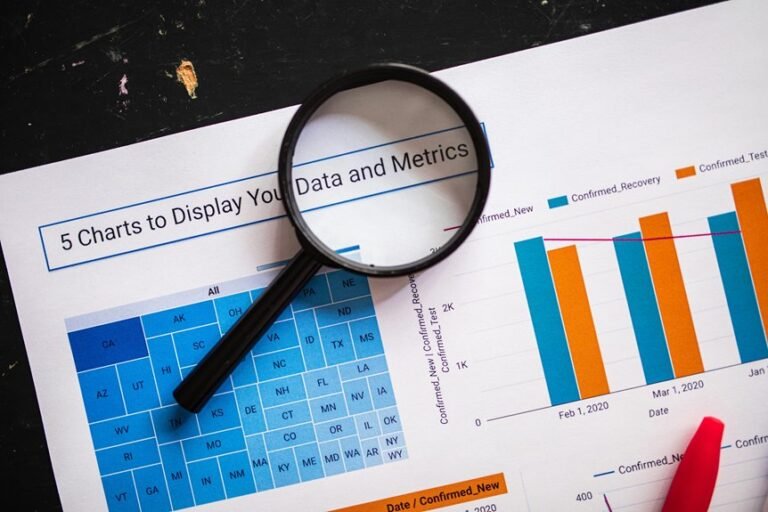
By employing data visualization techniques, BI transforms complex datasets into accessible insights.
Furthermore, predictive analytics enables firms to forecast future market behavior, empowering decision-makers with timely information.
Ultimately, BI enhances strategic flexibility, allowing organizations to adapt swiftly to evolving market dynamics while fostering informed autonomy.
Understanding Unique Identifiers and Their Impact on Data Analysis
Unique identifiers play a pivotal role in the realm of data analysis, serving as essential tools that facilitate the accurate organization and retrieval of information.
They streamline the process of linking disparate data sets, enhancing consistency and reliability.
Identifying Consumer Behavior Through Data Insights
A growing body of data insights reveals significant patterns in consumer behavior, allowing organizations to tailor their strategies effectively.
By leveraging predictive analytics and demographic insights, companies can understand consumer preferences and engagement patterns.
Data visualization tools facilitate behavioral segmentation, enabling targeted marketing efforts.
This analytical approach fosters a deeper connection with consumers, ultimately enhancing brand loyalty and driving sustainable growth.
Leveraging BI for Strategic Business Growth Opportunities
While organizations increasingly harness Business Intelligence (BI) tools, the potential for strategic growth opportunities becomes evident through data-driven decision-making.
Utilizing data visualization and predictive analytics, businesses can enhance competitive analysis and refine market segmentation. This approach supports effective strategic planning and improves performance metrics, enabling organizations to identify and capitalize on emerging trends.
Ultimately, this fosters a culture of informed decision-making and sustained growth.
Conclusion
In conclusion, the integration of Business Intelligence in market trend analysis significantly enhances an organization’s ability to make informed decisions. By utilizing unique identifiers, companies can improve data accuracy and unveil consumer insights. Notably, a recent study found that businesses leveraging predictive analytics can achieve up to a 15% increase in operational efficiency. This statistic underscores the critical role of data-driven strategies in fostering growth and adapting to evolving market dynamics.