How Do Type Foundry Create Unique Font Designs?
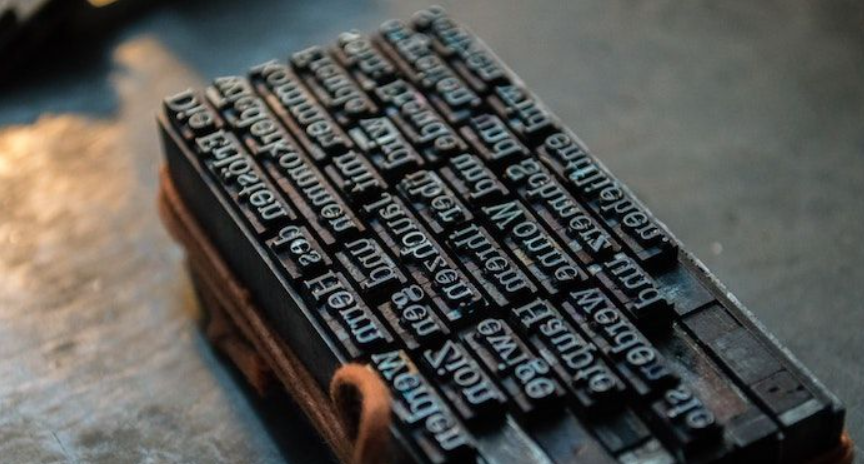
Type foundries are specialized studios that design, develop, and distribute fonts. In today’s world, where typography influences branding, advertising, publishing, and digital interfaces, the role of a foundry goes far beyond crafting letters. They shape the visual identity of countless projects and brands. Modern foundries, like those producing extensive font libraries, focus on innovation, functionality, and aesthetic precision, offering designers the tools to express ideas effectively.
Research and Concept Development
Understanding Market Needs
The process begins with research. Foundries analyze industries and design trends to determine what type of font families are needed. For example, businesses may demand professional sans serif fonts for corporate branding, while creative industries might lean toward decorative or display fonts. By studying user behavior and design challenges, foundries create fonts that serve real-world applications.
Building the Concept
Once the need is clear, a concept is formed. Designers at the foundry define the personality and purpose of the font. Will it be geometric and neutral for professional use? Or bold and decorative for poster design? At this stage, mood boards, sketches, and references are often created to establish a visual direction.
See also: Evaluating Technology Expense Management Software Solutions
Crafting the Letterforms
Hand Drawing and Digital Outlines
Font creation typically starts with sketches. Designers may first draw characters by hand to capture the essence of the typeface, then refine them digitally using specialized software. The transition from sketch to digital outline requires precision to ensure smooth curves, balanced proportions, and consistent weight distribution.
Maintaining Consistency Across Characters
One of the biggest challenges is keeping the design consistent. Every letter must align with the overall style while maintaining readability. This requires meticulous attention to proportions, x-height, spacing, and rhythm. Foundries often create extensive sets of glyphs—Latin, Cyrillic, symbols, and punctuation—to support multiple languages and design needs.
Technical Perfection
Mastering Hinting and Rendering
A professional foundry doesn’t just design beautiful shapes—it ensures they render flawlessly across platforms. This is where hinting comes in. Hinting adjusts the font’s instructions so it looks sharp on low-resolution screens and scales smoothly on high-resolution displays. Without this technical layer, even well-designed fonts could appear inconsistent.
Expanding Families and Styles
Unique font designs often come in families. Foundries create multiple weights (light, regular, bold, black) and widths (condensed, expanded), providing flexibility for designers. For example, some professional font families contain over 100 styles, allowing brands to build complete typographic systems while maintaining visual unity.
Testing and Refinement
Trial Versions and Feedback
Before release, foundries test their fonts in real-world conditions. Trial versions are often made available to designers, who can check performance in branding, UI, or print projects. Feedback is collected, leading to refinements in kerning, spacing, or glyph design.
Ensuring Multilingual Support
Modern type foundries also prioritize global communication. By including extended character sets—Cyrillic, Latin, accented letters, numerals, and symbols—they ensure their fonts work across cultures and industries. This inclusivity makes the font more versatile and attractive to international users.
Licensing and Distribution
Clear Licensing Models
Another key element is licensing. Foundries provide transparent usage rights so that companies can legally apply fonts in commercial projects. Licenses are tailored for web, print, app, or broadcast use, ensuring brands have clarity on how they can use the fonts without risk.
Distribution Channels
Unique fonts are distributed through official foundry platforms, where designers can browse, test, and purchase. Organized collections—such as professional fonts, display fonts, or poster fonts—make it easier for users to find the right match for their needs.
Innovation and Creativity
Balancing Function and Expression
The uniqueness of a foundry’s design lies in its ability to balance function with creativity. While some fonts must remain neutral and practical, others push artistic boundaries, introducing experimental forms and striking display options. This balance ensures that the foundry’s library appeals to both corporate and creative audiences.
Continuous Updates
Many foundries revisit and update older fonts, adding new weights, improving technical details, or expanding character support. This practice keeps their fonts relevant in an ever-evolving design landscape.
Conclusion
So, a type foundry creates unique font designs by blending research, artistry, and technology. From initial sketches to digital refinement, from hinting to multilingual support, each stage requires expertise and precision. By offering large families with multiple styles, ensuring technical perfection, and maintaining flexible licensing, foundries provide designers with fonts that are not just letters, but tools for communication and creativity. Their work ensures that every project—from corporate branding to movie posters—has the right typographic voice to stand out and connect with audiences.