What Are the Differences Between Powder, Paste, and Liquid Filling Machines?
The selection of the right filling machines is a serious consideration for any factory that seeks to improve efficiency, product consistency, and cost control. Since different materials have different physical properties, factories generally ask: what are the differences between powder, paste, and liquid filling machines? The awareness of differences helps companies in making the right choice in terms of equipment capacity of production, packaging type, and cost.
1. Powder Filling Machines: Accuracy for Fine Particles
Working Principle of Powder Filling Machines
Powder filling machines are designed to handle dry and free-flowing products such as flour, milk powder, or chemical powders. They utilize auger screws or weighing systems to move the precise amount of product into containers. Accuracy is also important in this context—studies show that powder machines can achieve ±1% weight consistency even at 40–60 bottles per minute speeds.
Advantages of Powder Filling Machines
The most important benefit of powder filling machines is in minimizing waste. Because fine powders are prone to generating dust, advanced systems have introduced dust extraction and hoppers with closed systems, maintaining employee safety and hygiene. For large requirement production units, top-of-the-line models can fill as many as 3,000 times within an hour.
1. Paste Filling Machines: Handling High Viscosity Products
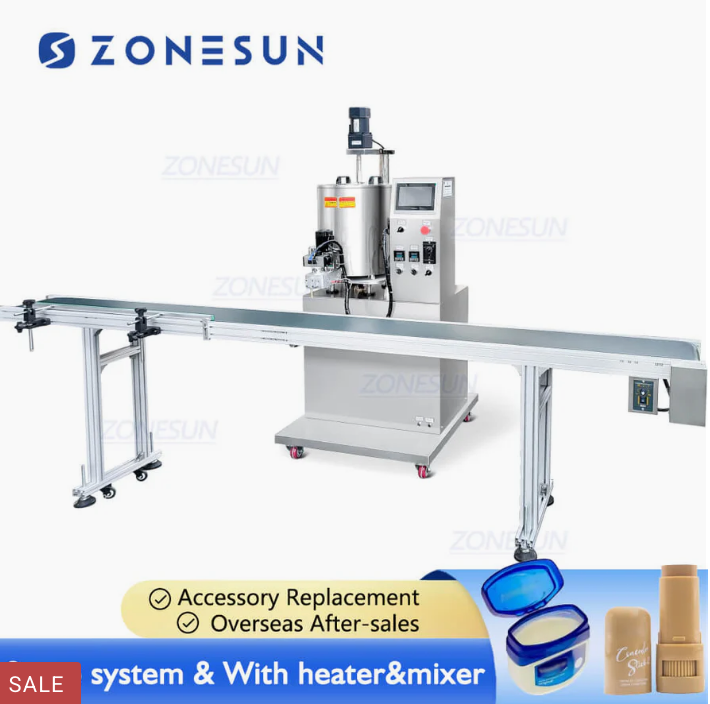
Design and Efficiency of Paste Filling Machines
Paste filling machines are meant for semi-solid products that possess high viscosity. They employ piston pumps or rotary valves that can propel thicker materials into containers without clogging. A 500 ml piston cylinder, for instance, can deliver uniform fills in less than 1.5 seconds per cycle, making it an effective process.
Advantages of Paste Filling Machines
The greatest advantage of paste filling machines is their versatility to accommodate different sizes and shapes of containers. With programmable logic controllers (PLC) and adjustable nozzles, factories can set filling ranges between 50 ml and 2 liters. This enables manufacturers to maintain high speed without compromiso in accuracy.
2. Liquid Filling Machines: Speed and Versatility
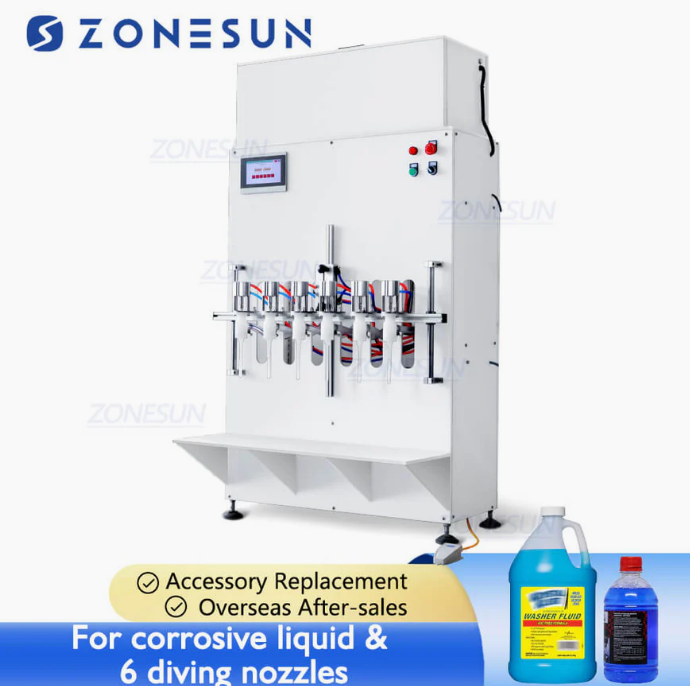
Operating Method of Liquid Filling Machines
Liquid fill machines are the most common type, which use low-viscosity products. These machines prefer to use gravity, overflow, or pump systems depending on the fluid’s weight. For instance, gravity models are ideal for thin liquids, while pump systems can fill up to 120 containers per minute depending on container size.
Advantages of Liquid Filling Machines
Advantages of liquid filling machines include high speed and versatility. Many of the models can hold multiple nozzles—4 to 12—which allow factories to double or triple production with minimal labor. Secondly, servo-controlled filling also provides precision at a level of filling accuracy at ±0.5% in terms of savings on rework and quality consistency assurance.
3. Primary Comparison: Powder, Paste, and Liquid Filling Machines
Efficiency and Cost Perspective
In comparing powder, paste, and liquid filling machines, it is clear that each is designed for a particular use. Powder systems prioritize precision, paste machines prioritize viscosity control, and liquid systems prioritize speed. Investment also varies: liquid filling machines may be 20–30% cheaper than paste systems with simpler mechanics, but high-end powder machines may incorporate more dust-controlling features.
4. Choosing the Right Filling Machines
Target production needs to be researched by factories before any decision is made. For less than 500 units a day, semi-automatic machines may suffice, while for over 5,000 units per shift, automatic systems with conveyors are needed. Dealing with reliable suppliers ensures not only the quality of the equipment but also access to maintenance, training, and spares.